
In foreign trade, a successful operation does not depend only on buying from or selling abroad. Importing and exporting require technical planning, correct documentation, tax analysis, regulatory classification and risk control.
Many companies only realize the importance of customs compliance when the goods have already been shipped, are being held, are subject to a tax requirement or are stuck in the primary customs zone. At that point, the problem is no longer merely operational and begins to directly affect cash flow, commercial relationships with customers and suppliers, delivery deadlines and the profitability of the operation.
The customs operation needs to be handled strategically. Every document, every tariff classification and every regulatory requirement can determine whether a cargo is released smoothly or held up, generating costs, delays and risks.
What is customs compliance?
Customs compliance is the set of practices, controls and analyses used to ensure that an import or export operation complies with tax, customs, regulatory and documentation legislation.
In practice, it means assessing in advance every point that may affect the operation, such as:
- tariff classification of the goods;
- technical description of the product;
- commercial documents;
- transport documents;
- licenses and authorizations;
- regulatory agency requirements;
- customs valuation;
- origin of the goods;
- administrative treatment;
- issuance of the nota fiscal (Brazilian tax invoice);
- registration of the customs declaration;
- meeting deadlines;
- proof of the operation;
- tax and foreign exchange compliance.
The goal is to reduce risks, avoid inconsistencies and ensure that the operation is carried out within the applicable rules.
In foreign trade, compliance is not excessive bureaucracy. It is operational, financial and commercial protection.
Documentation is the foundation of the customs operation
Documentation is one of the most important pillars of any import or export process. Errors in documents can lead to customs requirements, delays, fines, cargo retention and even commercial complications with international customers.
The main documents used in foreign trade operations include:
- Commercial Invoice;
- Packing List;
- Bill of lading;
- Certificate of origin, when applicable;
- Import License, when required;
- LPCO, when applicable;
- DU-E for exports;
- Import Declaration or DUIMP for imports;
- Inbound, outbound or export nota fiscal;
- technical certificates;
- technical reports;
- registrations;
- regulatory agency authorizations.
These documents need to match one another. Information such as product description, quantity, weight, value, Incoterm, country of origin, manufacturer, exporter, importer, NCM and logistics data must be consistent throughout the operation.
A seemingly simple discrepancy can lead to questions from customs inspectors or the regulatory agency. That is why reviewing documents before shipment is a critical step.
NCM: a technical decision with tax and regulatory impact
The NCM (Mercosur Common Nomenclature) is one of the most sensitive points of the customs operation. It does not merely define the tax code of the goods. The NCM directly influences:
- applicable taxes;
- need for an import license;
- involvement of regulatory agencies;
- certification requirements;
- tax treatment;
- administrative treatment;
- foreign trade statistics;
- possible tax benefits;
- inspection risks.
An incorrect tariff classification can result in improper tax payment, a tax assessment, fines, cargo retention and the need to amend documents.
In addition, the NCM can determine whether the goods will require approval from agencies such as INMETRO, MAPA, ANVISA, IBAMA, ANATEL, the Brazilian Army, the Federal Police, DECEX or other competent agencies.
That is why NCM analysis should not be based only on a generic commercial description. It requires technical analysis of the product, its composition, function, application, constituent material, form of presentation and the tariff classification rules.
Regulatory agencies: INMETRO, MAPA, ANVISA and other requirements
Depending on the goods, the import or export may require authorization, a license, registration, a certificate, document review or inspection by regulatory agencies.
The most common agencies in foreign trade operations include:
INMETRO
INMETRO may be involved with products subject to conformity assessment, certification, registration or compliance with specific technical requirements. Products such as equipment, components, toys, tires, home appliances, safety items, machinery and other goods may require prior analysis.
When the INMETRO requirement is not checked before shipment, the company may discover too late that it needs certification, registration or document adjustments. This can lead to retention of the goods, higher storage costs and the risk of making the operation unviable.
MAPA
MAPA acts on operations involving products of plant and animal origin, food, beverages, agricultural inputs, fertilizers, seeds, veterinary products and other goods subject to agricultural control.
Without prior analysis, there may be document requirements, inspection, cargo retention, the need for specific certificates or even a ban on the goods entering the country.
ANVISA
ANVISA may be involved with products related to health, cosmetics, sanitizing products, food, medicines, medical products, diagnostic products, raw materials and other items subject to health surveillance.
Operations involving ANVISA require extra attention, since they may involve registration, operating authorization, an import license, document review, labeling, product regularization and prior authorization.
When a company imports without validating these requirements, the risk of retention, rejection or delay is high.
Other regulatory agencies
In addition to INMETRO, MAPA and ANVISA, other authorities may take part in the operation, depending on the product and its purpose:
- IBAMA;
- ANATEL;
- Brazilian Army;
- Federal Police;
- DECEX;
- Ministry of Agriculture;
- environmental agencies;
- health authorities;
- chemical or technology control authorities.
Each agency has its own rules, specific documents and timeframes that must be considered when planning the operation.
Customs risks in importing
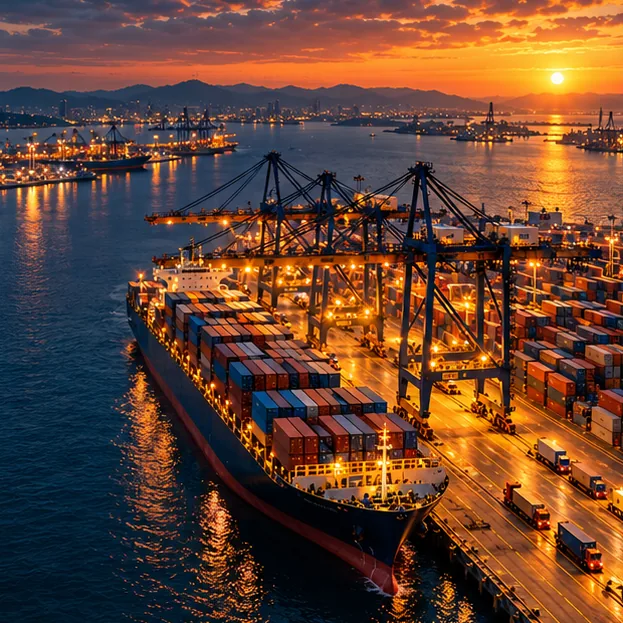
In importing, customs risks can have an immediate financial impact. Goods held at a port, airport or customs-bonded facility can compromise the company's cash flow.
The main risks include:
- cargo retention;
- tax requirements;
- fines for documentation errors;
- NCM discrepancies;
- need for an unplanned license;
- unidentified regulatory agency involvement;
- high storage costs;
- demurrage;
- higher logistics costs;
- delays in nationalization;
- loss of margin;
- missed deadlines with the end customer;
- risk of return or forfeiture of the goods.
When cargo is held up, the problem is not just the delay. Each day can generate additional costs, pressure on cash and an impact on commercial operations.
A company may have sold the goods with a fixed deadline, scheduled production, made commitments to customers or planned its working capital assuming a quick release. If the cargo is not released, the entire financial plan can be affected.
Goods held up compromise cash flow
Cash flow is one of the areas most affected when an import runs into a customs problem.
The company may already have paid the supplier, international freight, insurance, bank charges, taxes, fees and logistics costs. If the cargo is held, new costs start to pile up.
These include:
- storage;
- demurrage;
- extra handling;
- document corrections;
- bonded facility fees;
- technical report costs;
- certification costs;
- professional fees;
- fines;
- interest;
- missed commercial deadlines.
Moreover, until the goods are released, they cannot be sold, delivered, used in production or turned into revenue.
In other words, capital is tied up and the company ends up financing a problem that could have been avoided with prior analysis.
Customs risks in exporting
In exporting, customs risk also exists and can create a significant commercial complication with the international buyer.
An export with incorrect documentation, an unforeseen requirement or a problem in the destination country can lead to:
- shipment delays;
- document discrepancies;
- cargo held abroad;
- requirements from the importer;
- rejection by the buyer;
- extra storage costs;
- need to amend documents;
- delayed delivery to the customer;
- loss of commercial trust;
- contractual penalties;
- damage to the exporting company's image.
In exporting, the relationship with the international customer is extremely sensitive. The buyer expects the goods to arrive on time, with correct documents and ready for customs release in the destination country.
When there is a documentation or regulatory failure, the exporting company may appear unprepared, even if the product is of high quality. This affects credibility, repeat purchases and the opening of new markets.
Commercial complications with the customer in exporting
A documentation error in an export can quickly turn into a commercial problem.
Imagine a Brazilian company that ships goods abroad without properly validating certificates, documents required by the importer or the requirements of the destination country. If the cargo arrives at its destination and cannot be released, the buyer may face costs, delays and difficulties with its own customs authority.
The impact may include:
- strain on the relationship;
- renegotiation of deadlines;
- requests for discounts;
- charges for additional costs;
- cancellation of new orders;
- loss of trust;
- formal complaints;
- damage to the image of the Brazilian brand.
That is why exporting requires more than issuing an invoice and booking freight. Documentation, destination requirements, Incoterms, commercial responsibilities and customs requirements must all be aligned.
Customs compliance protects the operation and the commercial relationship
The role of customs compliance is to anticipate problems before they turn into losses.
With a technical analysis, it is possible to:
- validate the correct NCM;
- identify regulatory agencies;
- review documents before shipment;
- assess tax and regulatory requirements;
- check whether licenses are needed;
- analyze retention risks;
- organize certificates and registrations;
- reduce the chances of tax requirements;
- avoid unforeseen costs;
- protect cash flow;
- preserve relationships with customers and suppliers;
- increase the predictability of the operation.
Companies that treat the customs operation as part of their strategy are able to import and export with more control, less improvisation and greater competitiveness.
Importing and exporting without prior analysis means taking unnecessary risk
In foreign trade, every detail matters. An incomplete description, an incorrect NCM, a license not applied for or a missing certificate can compromise the entire operation.
Prior analysis reduces uncertainty and allows the company to make decisions based on technical data, not assumptions.
Before importing or exporting, it is essential to assess:
- product;
- NCM;
- purpose of the goods;
- country of origin;
- destination country;
- manufacturer;
- exporter;
- importer;
- commercial documents;
- regulatory agencies;
- need for licensing;
- costs involved;
- lead times;
- tax risks;
- logistics risks;
- commercial impacts.
This analysis prevents the company from discovering the problem when the cargo is already in transit or held under customs control.
Conclusion
Customs operations and compliance are essential for companies that want to operate in foreign trade with security, predictability and competitiveness.
Correct documentation, technical NCM analysis, validation with regulatory agencies such as INMETRO, MAPA and ANVISA, tax review and operational planning reduce risks and protect the company against delays, fines, extra costs and commercial losses.
In importing, goods held up can compromise the cash flow and profitability of the operation. In exporting, documentation failures can create complications with the international customer and affect the company's credibility in foreign markets.
In foreign trade, the cost of preventing is always lower than the cost of correcting.